
Our Services
Evaluation, medication management, therapy, and addiction treatment, in person in Mansfield (TX) or by telehealth.
Services Tailored Around Your Objectives
-

PSYCHIATRY EVALUATION
60 min · in person or video
Insurance · $350 self-payA full hour to understand what's going on and agree on a plan.
What it is. Your first visit. We review your symptoms, mental health and medical history, current medications and supplements, substance use, sleep, and what you want to change. We may use brief rating scales and order labs if they'd affect treatment.
What you leave with. A working diagnosis explained in plain language, your treatment options with their pros and cons, and a plan we agree on together, including when we'll meet next.
Good to bring. A list of current and past medications with doses, any prior records or diagnoses, and your questions.
-

MEDICATION MANAGEMENT
30 min · in person or video
Insurance · $175 self-payWhat it is. Ongoing visits to check how your medication is working, manage side effects, adjust doses, and stop what isn't helping. We also check for interactions with your other prescriptions and any supplements you take.
How often. Usually, every 2-6 weeks while we adjust, then every 1-3 months once you're stable.
Our view on medication. Medication is one tool, not the whole plan. When it's needed, we choose it carefully. When something else might work as well, we'll tell you.
-

INDIVIDUAL THERAPY
60 min · in person or video
$250 self-payWhat it is. One-on-one sessions using evidence-based approaches, including cognitive behavioral therapy (CBT) and motivational interviewing. Therapy can be combined with medication management or stand on its own.
Who it helps. People working through depression, anxiety, stress, life changes, trauma, or substance use.
How often. Usually weekly or every two weeks.
-

ADHD EVALUATION
Teens and adults
60 min · in person or video
Insurance · $350 self-payA careful assessment, because ADHD symptoms overlap with anxiety, depression, sleep problems, and more.
What happens. A clinical interview covering childhood and current symptoms, standardized rating scales from you and, if possible, someone who knows you well, and TOVA computerized attention testing. We also screen for conditions that can look like ADHD.
Treatment options. If ADHD is confirmed, options include stimulant and non-stimulant medications, skills coaching, and changes to sleep and routines. We discuss benefits, risks, and monitoring for each, and decide together.
-

ALCOHOL & OPIOID USE DISORDER TREATMENT
Outpatient · in person or video
Medication-assisted treatment, without judgment.
What it is. Outpatient treatment combining FDA-approved medications with counseling. Because addiction often comes with depression, anxiety, insomnia, or trauma, we treat those at the same time.
Medications we may use. Buprenorphine, naltrexone (oral or the monthly Vivitrol injection), acamprosate, and others.
Family support (CRAFT). If someone you love isn't ready for treatment, Community Reinforcement and Family Training teaches you how to encourage change and take care of yourself.
Is this confidential? Yes. Substance use treatment records have additional federal privacy protections (42 CFR Part 2).
-

INTEGRATIVE CARE
Part of your treatment plan
When you're interested, we add evidence-informed supports to your plan:
Supplement review. We check supplements you already take for dosing and interactions with your prescriptions, and discuss options with research behind them.
Nutrition and sleep. Practical changes that affect mood and energy, with referrals to a dietitian when helpful.
Exercise and routine. Small, sustainable steps rather than overhauls.
Mindfulness and relaxation skills. Simple techniques you can use between visits.
Integrative care adds to evidence-based treatment; it doesn't replace it.
-

LAB & GENETIC TESTING
Ordered when it would change care
Lab work. Thyroid, vitamin D, B12, iron, and other levels can affect mood and energy. We order labs when results would change your treatment, and monitor labs required by some medications.
Pharmacogenomic testing. A cheek-swab test that shows how your body may process certain medications. It can help when several medications haven't worked or caused side effects. It doesn't diagnose mental illness. Coverage varies; we'll check before ordering.
-

WHEN DEPRESSION HASN'T IMPROVED
TMS & SPRAVATO® by referral
If two or more antidepressants haven't helped, there are next-step options.
Our role. We review your treatment history, adjust what we can, and, when appropriate, refer you to trusted partner clinics for TMS or SPRAVATO® and coordinate your care.
TMS (transcranial magnetic stimulation). An FDA-cleared, non-invasive treatment that uses magnetic pulses to stimulate areas of the brain involved in mood. It's done while you're awake, usually in daily sessions over several weeks. Also cleared for OCD.
SPRAVATO® (esketamine) nasal spray. FDA-approved for adults with treatment-resistant depression. It's given only at certified treatment centers, where you're monitored for at least two hours after each dose, and you can't drive until the next day.
-
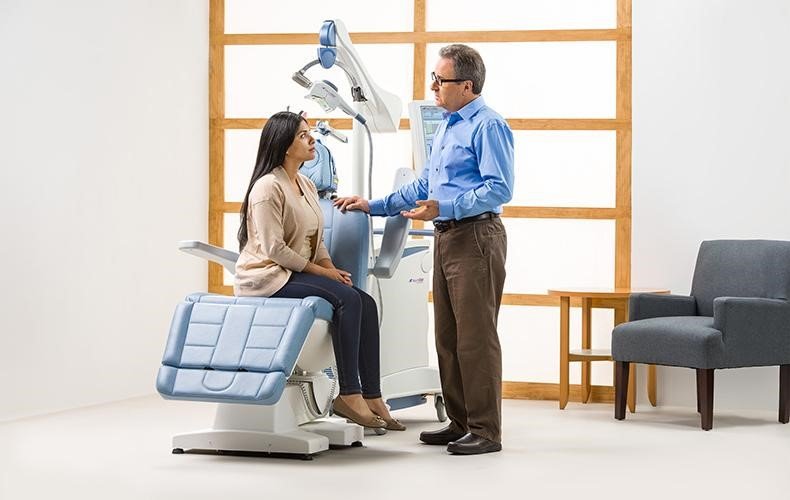
TMS THERAPY
When depression or obsessive-compulsive disorder (OCD) does not improve with other treatments, TMS may help.
-
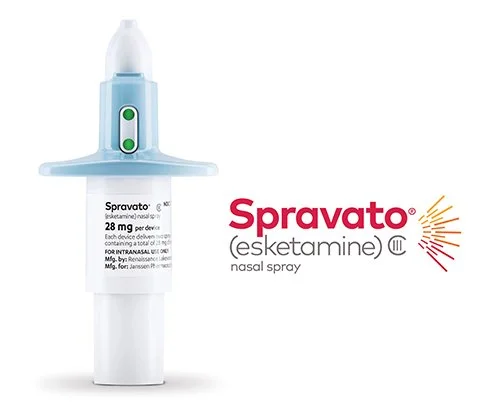
SPRAVATO THERAPY
SPRAVATO® (esketamine nasal spray) is an FDA-approved prescription nasal spray, used along with an antidepressant taken orally to treat adults with treatment-resistant depression (TRD).
-

VETERANS & NEXUS LETTERS
Care for veterans
“When I was down, Advanced Medical Psychiatry Group staff helped me regain focus.”
— Sharon D., ADVANCED MEDICAL PSYCHIATRY GROUP PATIENT